Digital Tools That Make Sustainability Easier for SMEs
Discover free and publicly accessible digital tools UK SMEs can use to simplify sustainability reporting, carbon tracking and resource management in 2026.
2/17/20263 min read

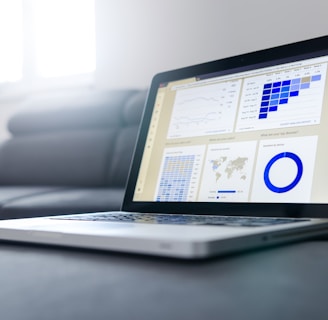
For many SMEs, sustainability can feel like an additional layer of administration. Data collection, reporting requests, energy tracking and supplier questionnaires can quickly become time-consuming.
But in 2026, digital tools are making sustainability far more manageable and many of them are free or publicly accessible.
The right systems don’t just reduce paperwork. They improve visibility, simplify decision-making and help SMEs turn good intentions into measurable progress.
Importantly, digital sustainability doesn’t require expensive enterprise software. In many cases, simple, well-used tools are more than enough.
Why digital matters for SME sustainability
Sustainability is increasingly data-driven. Customers ask for carbon figures. Larger organisations require supplier disclosures. Energy costs fluctuate. Waste reporting becomes more structured.
Without digital support, SMEs often rely on disconnected spreadsheets or manual processes. This creates duplication, inconsistency and unnecessary stress when information is requested at short notice.
Digital tools help SMEs to:
centralise information
automate repetitive tracking
reduce manual errors
respond confidently to client questions
identify cost-saving opportunities
For time-pressured businesses, efficiency is just as important as environmental impact.
Free and Publicly Accessible Tools UK SMEs Can Use
1. Carbon Footprint Calculation Tools
Several free tools allow SMEs to estimate emissions without specialist knowledge.
The UK Government greenhouse gas conversion factors (published annually by the Department for Energy Security and Net Zero also known as DESNZ) are publicly available and form the basis of most carbon calculations. SMEs can use these factors within Excel to estimate emissions from:
electricity and gas use
fuel consumption
business travel
refrigerants
For businesses wanting a more structured format, the SME Climate Hub provides a free emissions calculation pathway aligned to international standards. The SME Climate Hub offers guidance, target-setting support and simple reporting frameworks suitable for smaller organisations.
While not a replacement for detailed carbon accounting, these resources are more than sufficient for many SMEs beginning their sustainability journey.
2. Energy Monitoring and Benchmarking
Most UK SMEs already have access to energy data through their supplier portals. Beyond this:
The Carbon Trust provides free guides, tools and energy-saving calculators tailored to UK businesses. These include sector-specific advice and practical checklists.
For benchmarking building performance, the UK’s Energy Performance Certificate register allows businesses to review building energy ratings and identify potential efficiency improvements.
Many smart meter platforms also provide free dashboards through utility providers, offering real-time usage insights without additional software investment.
3. Waste and Resource Tracking
Waste contractors increasingly provide free online reporting portals showing:
waste volumes by stream
recycling rates
collection frequency
cost breakdowns
In addition, the Waste and Resources Action Programme (WRAP) offers publicly accessible guidance, tools and sector-specific resources to support waste reduction and circular economy practices.
For internal tracking, structured spreadsheets using consistent monthly reporting can be highly effective, particularly when aligned to WRAP guidance.
4. Travel Emissions Estimation
Business travel often forms a visible part of an SME carbon footprint.
Free emissions calculators based on DESNZ conversion factors allow businesses to estimate:
flights (short, medium, long haul)
rail travel
vehicle mileage
Rail operators and airlines also publish emissions data, which can be integrated into internal reporting systems.
For many SMEs, a simple mileage tracking tool combined with government emission factors is enough to generate credible travel impact estimates.
5. Supplier and Policy Management
Digital document management systems such as SharePoint, Google Workspace or other cloud-based platforms (often already in use) can be structured to store:
supplier sustainability information
environmental policies
certifications
audit records
This avoids the need for dedicated procurement software in the early stages.
The key is organisation, not complex systems.
Integrating Sustainability Into Existing Systems
One of the most effective approaches for SMEs is integration rather than addition.
Many accounting platforms allow expense tagging for travel categories. Facilities systems track energy invoices. HR systems store training records.
Sustainability data often already exists within the business, it simply needs organising.
Before investing in new software, SMEs should ask:
What information are clients actually requesting?
What data do we already collect?
Can we structure existing systems more effectively?
Digital solutions should reduce friction, not create it.
Avoiding Digital Overload
The sustainability software market is growing rapidly. While there are many excellent paid platforms available, SMEs should avoid overcomplicating their early-stage approach.
Start with:
free government datasets
publicly available calculators
supplier portals
structured internal tracking
Build confidence and consistency first. Complexity can come later if required.
The Bigger Opportunity
Digital tools are not just about reporting. They support better business decisions.
When SMEs have clearer data on energy, materials, travel and suppliers, sustainability becomes measurable and manageable. It shifts from aspiration to operational reality.
In 2026, digital capability is increasingly part of business resilience. SMEs that build simple, reliable systems now will find it easier to respond to regulation, customer expectations and cost pressures in the future.
Sustainability doesn’t need to be complex, and it doesn’t need to be expensive.
Connect
Sustainability that works for your business
Contact us
support@thenetzeroco.com
© 2025. All rights reserved.