How SMEs Can Upskill Teams on Sustainability
A practical guide for SMEs on how to upskill teams on sustainability, building shared understanding and confidence without complex training programmes.
2/13/20263 min read

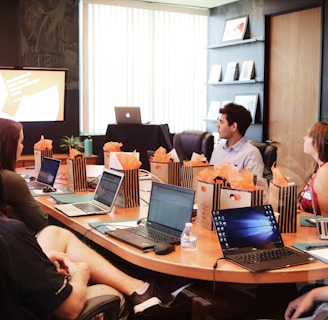
Sustainability is no longer something handled by one person or one department. In 2026, it increasingly touches every role, from procurement and operations to sales, finance and leadership.
For SMEs, this creates a challenge and an opportunity. While smaller businesses may not have dedicated sustainability teams, they often have something just as valuable: close-knit teams, faster decision-making and the ability to embed new ways of working quickly.
Upskilling teams on sustainability doesn’t mean turning everyone into an expert. It’s about building shared understanding, confidence and practical capability, so sustainability becomes part of everyday business.
Why team upskilling matters more in 2026
Sustainability expectations are rising across supply chains, workplaces and customer relationships. Employees are being asked questions about environmental performance, sustainability policies and climate impacts, sometimes by clients, sometimes by suppliers, and often internally.
Without a baseline level of knowledge, sustainability can feel abstract or intimidating. This can slow progress and place pressure on a small number of individuals to “carry” the agenda.
Upskilling teams helps SMEs:
spread responsibility more evenly
reduce reliance on external consultants
turn sustainability goals into real action
build credibility with customers and partners
It also supports engagement. People are more likely to contribute when they understand why sustainability matters and how their role fits in.
Start with relevance, not theory
One of the biggest mistakes SMEs make is treating sustainability training as a technical or academic exercise. For most teams, relevance matters far more than detail.
Effective upskilling starts by connecting sustainability to the realities of the business:
energy costs and operational efficiency
waste, materials and day-to-day processes
customer expectations and tender requirements
future business risks and opportunities
When employees can see how sustainability affects their work, it becomes practical rather than abstract.
Focus on awareness before expertise
Not everyone needs deep technical knowledge. For many SMEs, the first goal is shared awareness, ensuring teams understand key concepts, terminology and priorities.
This might include:
what sustainability means for your business
why customers or regulators are asking questions
what actions the business is already taking
where teams can influence outcomes
Clear, consistent messaging helps reduce confusion and builds confidence across the organisation.
Use existing moments for learning
Upskilling doesn’t need to mean formal training programmes. In fact, SMEs are often most effective when learning is informal and embedded into existing routines.
Team meetings, project reviews, onboarding sessions and internal updates all provide opportunities to build understanding over time. Short, regular touchpoints are often more effective than one-off training sessions.
Linking sustainability to real projects or decisions, such as energy use, travel, suppliers or office practices, helps reinforce learning through action.
Empower sustainability champions
Many SMEs benefit from identifying informal “sustainability champions” across teams. These are people who show interest, curiosity or enthusiasm, not necessarily experts.
Champions can help:
share information internally
gather ideas and feedback
support small initiatives
act as a link between leadership and teams
This approach spreads ownership without creating additional layers of management or complexity.
Keep tools and language simple
Sustainability language can quickly become overwhelming. Acronyms, frameworks and technical terms often create barriers rather than clarity.
For SMEs, simplicity is key. Using plain language, practical examples and clear priorities helps teams engage without feeling excluded or confused.
Where tools or frameworks are used, it’s important to explain why they matter, not just what they are.
Learning as an ongoing process
Upskilling is not a one-off task. Sustainability evolves, and so do expectations. The most effective SMEs treat learning as continuous, adjusting knowledge as the business grows and external pressures change.
This might involve sharing updates on progress, reflecting on what’s working, or revisiting priorities annually. Over time, sustainability becomes part of how people think and make decisions, not an additional burden.
The business benefits of an upskilled team
SMEs that invest in sustainability knowledge often see benefits beyond environmental performance. Teams become more engaged, decisions improve, and sustainability stops being “someone else’s job”.
In 2026, upskilling teams is one of the most cost-effective ways for SMEs to turn sustainability from strategy into everyday practice.
Connect
Sustainability that works for your business
Contact us
support@thenetzeroco.com
© 2025. All rights reserved.