Start 2026 Strong: The Top 5 Sustainability Goals SMEs Should Consider This Year
Kick off 2026 with clear, achievable sustainability goals for your SME. Discover five practical priorities that reduce costs, build resilience, and support long-term growth.
1/6/20263 min read

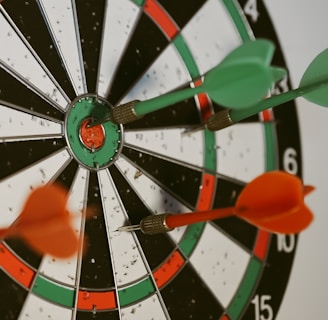
The start of a new year is often when businesses take stock and set priorities. Budgets are reviewed, strategies refreshed, and plans put in place for the months ahead. Increasingly, sustainability is becoming part of that conversation, not as a separate initiative, but as something that directly supports resilience, competitiveness, and long-term success.
For many small and medium-sized businesses, the challenge isn’t whether to act, but where to focus first. Sustainability can feel broad and overwhelming, especially when time and resources are limited. The good news is that meaningful progress doesn’t require perfection or major investment. It starts with clear, realistic goals.
Here are five sustainability goals your business should consider as you head into 2026.
1. Establish a Clear Baseline
One of the most valuable things an SME can do is understand its starting point. That might mean measuring energy use, reviewing waste levels, or taking a first look at carbon emissions.
You don’t need perfect data to begin. Even a high-level view of where energy, fuel, and materials are used most can reveal obvious opportunities to reduce waste and costs. A baseline helps turn sustainability from a vague ambition into something measurable and manageable.
Once you know where you’re starting from, it becomes far easier to set priorities and track progress over time.
2. Reduce Energy Use and Control Costs
Energy remains one of the most immediate and practical areas for SME action. With prices continuing to fluctuate, reducing energy use is not just an environmental decision, it’s a financial one.
This doesn’t have to involve major upgrades. Simple steps such as improving heating controls, reviewing lighting, maintaining equipment, and encouraging better energy habits among staff can deliver noticeable savings. Many SMEs find that focusing on efficiency pays for itself quickly.
Making energy reduction a clear goal for 2026 helps protect margins while supporting wider carbon reduction efforts.
3. Strengthen Sustainability Credentials for Customers and Tenders
More SMEs are being asked questions about sustainability by customers, suppliers, and larger organisations in their supply chain. Even businesses that are not legally required to report on sustainability are increasingly expected to demonstrate action.
A useful goal for 2026 is to be able to clearly explain what your business is doing, and why. This might include documenting policies, summarising key actions, or outlining future plans in simple, honest terms.
Strong sustainability credentials don’t require bold claims. In fact, transparency about where you are on your journey often builds more trust than overstating progress.
4. Reduce Waste and Use Resources More Efficiently
Waste is often an overlooked cost for SMEs. Materials thrown away, over-ordering, inefficient processes, and unnecessary packaging all represent lost money as well as environmental impact.
Setting a goal to reduce waste, whether that’s general waste, packaging, or raw materials, can uncover savings and improve operational efficiency. Many SMEs find that small process changes lead to less waste and smoother workflows.
Looking at resource use through a sustainability lens also builds resilience, helping businesses become less dependent on volatile supply chains and rising material costs.
5. Engage Your Team in Small, Practical Ways
Sustainability works best when it’s shared. Employees often have valuable insights into inefficiencies and opportunities for improvement, particularly in day-to-day operations.
A realistic goal for 2026 might be to involve your team more actively, through brief updates, simple training, or by inviting ideas for improvements. This doesn’t need to be time-consuming or formal. Even small steps can help sustainability become part of everyday decision-making rather than a top-down initiative.
Engaged teams are more likely to support change, spot waste, and help turn goals into action.
Why These Goals Work for SMEs
What these five goals have in common is that they are achievable. They don’t rely on perfect data, complex reporting, or large budgets. Instead, they focus on building momentum, improving efficiency, and strengthening your business’s position in a changing market.
Importantly, these goals also support one another. Understanding your baseline informs energy reduction. Reducing waste strengthens your sustainability story. Engaged teams make progress easier to maintain.
Final Thought: Progress Over Perfection
Starting 2026 strong doesn’t mean doing everything at once. It means choosing a few priorities that make sense for your business and committing to steady progress.
SMEs that take small, consistent steps today are far better placed to respond to future expectations, whether from customers, regulators, or the wider economy. Sustainability isn’t about being perfect. It’s about being prepared.
If you’re unsure where to begin, starting with one or two of these goals is more than enough. The most important step is simply to start.
Connect
Sustainability that works for your business
Contact us
support@thenetzeroco.com
© 2025. All rights reserved.