The Cost of Doing Nothing: Risks for SMEs Ignoring Sustainability
Ignoring sustainability is no longer a neutral choice. Discover the real risks UK SMEs face when they delay action, from rising costs to lost customers, and how small steps now can protect your business for the future.
11/10/20253 min read

For many small and medium-sized enterprises (SMEs), sustainability can feel like something to “get to later.”
Between rising costs, staffing pressures, and day-to-day operations, environmental goals can easily slip down the priority list.
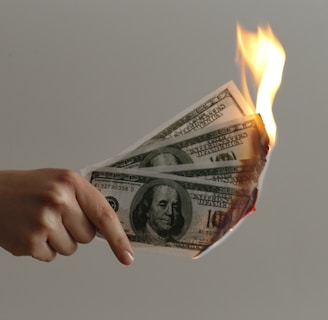
But here’s the truth: doing nothing on sustainability is no longer the safe or neutral option.
In fact, it’s becoming one of the biggest business risks facing UK SMEs today.
From lost contracts and rising costs to reputational damage and future non-compliance, the cost of ignoring sustainability is growing, fast.
Rising regulatory pressure
The UK’s road to net zero is reshaping the business landscape.
Large companies are already required to measure and report on their carbon emissions, and they’re increasingly asking their suppliers, many of whom are SMEs, to do the same.
Future regulations are likely to tighten further, including:
Mandatory carbon reporting expanding to more sectors
Tougher waste and packaging rules under the Extended Producer Responsibility (EPR) scheme
Energy efficiency standards for commercial buildings
Green finance requirements for access to loans and investment
If your business isn’t preparing now, you risk being caught out, not only by government regulations, but by supply chain requirements that make sustainability a condition of doing business.
In short: it’s not just “nice to have” anymore; it’s a license to operate.
Missed cost-saving opportunities
Ironically, doing nothing often costs more.
Energy, waste, water, and raw materials all represent major operating expenses, and inefficiency drains profits.
SMEs that take steps to reduce resource use often see quick returns:
Energy audits identify simple ways to cut bills by 10–20%
Waste reduction can lower disposal costs and even generate revenue through recycling
Efficient equipment and renewable energy can protect against volatile energy prices
By contrast, businesses that ignore sustainability leave money on the table, and expose themselves to rising utility and material costs in the years ahead.
Losing customers and contracts
Consumers and clients are voting with their wallets.
A growing number of UK customers, especially younger generations, prefer to buy from businesses that align with their environmental values.
At the same time, larger corporations and public sector buyers are demanding sustainability credentials from their suppliers.
If your SME can’t provide evidence of carbon reduction, waste management, or social impact, you may lose out on contracts to competitors who can.
Sustainability has become a key differentiator in B2B relationships, one that signals reliability, transparency, and forward thinking.
Reputational and brand risks
In a world of social media, reviews, and transparency, reputation can shift overnight.
SMEs that fail to act on sustainability may be seen as outdated or indifferent, especially as expectations around environmental and ethical performance rise.
On the flip side, taking visible, genuine action (even small steps) can boost your reputation, attract positive attention, and strengthen customer loyalty.
Modern consumers and employees value businesses that reflect their values. Ignoring sustainability can damage both your brand and your ability to attract and retain talent.
Falling behind competitors
Sustainability isn’t just about reducing harm, it’s about innovation and resilience.
Competitors who are already adapting, by measuring their emissions, reducing waste, or greening their supply chains, are positioning themselves for the future.
They’re becoming the preferred partners in contracts, attracting new customers, and benefiting from funding opportunities and tax incentives that reward green business practices.
If your business waits too long to act, catching up could mean higher costs, steeper learning curves, and lost market share.
Reduced resilience to future challenges
From energy price volatility to climate-related disruptions, sustainability is increasingly tied to business resilience.
Companies that use fewer resources, source locally, or diversify their energy mix are better prepared for shocks, whether that’s supply chain disruption, policy change, or extreme weather.
In contrast, those that ignore sustainability are more exposed to risk and less adaptable to change.
Sustainability isn’t just about protecting the planet, it’s about protecting your business from uncertainty.
The smart move: Start small, start now
The good news? Building sustainability into your SME doesn’t have to be complicated or costly.
Simple steps like conducting a carbon footprint review, improving energy efficiency, and engaging your team can deliver quick wins, and create momentum for bigger change.
By acting now, you’ll reduce risk, lower costs, and position your business for long-term success.
At The Net Zero Co., we help SMEs start that journey with clarity and confidence. Our Sustainability Health Check identifies practical, affordable steps that make sense for your business.
Because when it comes to sustainability, doing something, even a little, always costs less than doing nothing.
Connect
Sustainability that works for your business
Contact us
support@thenetzeroco.com
© 2025. All rights reserved.