
Winter Energy Survival Tips for SMEs: Sustainability Actions That Save Money Now
Practical winter energy-saving tips for UK SMEs. Cut heating costs, reduce waste, boost efficiency and improve sustainability with simple low-cost actions.
12/2/20253 min read


Winter is a challenging season for UK SMEs. Shorter days, colder temperatures, and rising energy costs can put real pressure on cash flow, especially for small businesses already working hard to manage budgets and stay competitive.
But here’s the good news: many of the smartest ways to cut winter energy costs are also sustainable, reducing both your bills and your carbon footprint. By making a few targeted changes, SMEs can get through the winter more efficiently while building long-term resilience.
Here are the most effective, practical and affordable sustainability actions you can take right now.
❄️ 1. Get control of your heating, it’s your biggest winter cost
Heating is often the largest energy expense for SMEs during winter, and even small changes can make a big difference.
Start with simple, low-cost fixes:
Reduce thermostat settings by 1°C, this can cut heating bills by up to 10%.
Schedule heating to match business hours, avoiding wasted heating overnight or on weekends.
Check for draughts around doors, windows and loading bays, inexpensive draught-proofing can dramatically reduce heat loss.
If you have multiple rooms or zones, avoid heating areas that aren’t being used. These quick steps often deliver instant savings without affecting comfort.
💡 2. Make the most of lighting without wasting electricity
With daylight hours at their shortest, lighting costs naturally rise, but they don’t need to spiral.
Switching to LED bulbs is still one of the best returns on investment for any SME, offering up to 80% energy savings and far longer lifespans. Pair LEDs with simple controls such as timers or motion sensors in less-used areas (such as storage rooms, corridors, staff rest areas), and you’ll avoid lighting empty spaces.
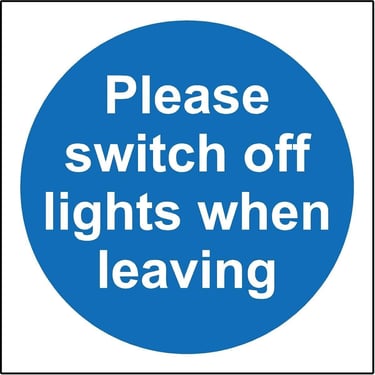
Encouraging staff to turn lights off when not needed costs nothing but can save a surprising amount over winter.
🔧 3. Maintain equipment to keep it running efficiently
Winter is a good time to check that your existing equipment is operating at peak efficiency.
Servicing boilers, clearing blocked vents, cleaning filters on heaters, and regularly maintaining machinery all reduce unnecessary energy use. Even office equipment, such as desktops, printers, and water heaters, can use more electricity when poorly maintained.
A quick equipment audit helps identify energy-hungry machines and spot opportunities for replacement or improvement.
🚪 4. Reduce heat loss in warehouses, workshops and retail spaces
For SMEs operating large or open workspaces, winter heat loss can be significant. Some effective measures include:
Installing or repairing thermal curtains or strip curtains on loading bays
Using door closers to prevent heat escaping
Adding insulation to roofs or walls (even partial insulation can help)
Creating “heat zones” so you’re not warming the entire space unnecessarily
These actions don’t need to be expensive, but they can meaningfully reduce energy waste.
🔌 5. Switch equipment off properly, not just to standby
Standby power, often called “vampire energy,” can quietly drain electricity and drive up winter bills.
Encourage your team to turn off:
Monitors and PCs
Printers and copiers
Heaters and kitchen appliances
Chargers and extension blocks
Create an end-of-day shutdown checklist or assign responsibility to specific individuals. This one habit alone can save SMEs hundreds of pounds each year.
📊 6. Monitor your energy use to spot patterns and problems
You can’t manage what you don’t measure. If your business doesn’t yet track energy use, winter is the ideal time to start.
Smart meters, simple plug-in monitors and digital dashboards make it easy to see when your energy use spikes. This helps identify:
Unexpected out-of-hours consumption
Faulty equipment
Heating set too high
Areas wasting light or power
Often, just seeing the data promotes behaviour change across teams.
⚡ 7. Explore renewable energy options, even small steps help
While installing solar panels or heat pumps may not be feasible for every SME, switching to a renewable electricity tariff is often quick, simple and surprisingly cost-effective. Many green tariffs are competitively priced, especially when fixed for 12–24 months.
This provides:
Carbon savings
Protection from price volatility
A stronger sustainability story for customers and supply chains
If on-site generation is possible for your future strategy, winter is a good time to start building the business case, in preparation for the longer and brighter spring-summer days.
👥 8. Engage your team, behaviour change is your cheapest win
The most effective winter energy strategies involve your people. Staff awareness campaigns, small competitions, or simple reminders can significantly reduce energy waste.
When employees understand why energy matters and how small actions make a difference, they’re more likely to get involved. Recognising good ideas or improvements helps build engagement and positive momentum.
⭐ Final Thought: Winter doesn’t have to cost your business more
Managing energy through the winter months is challenging, but it’s also an opportunity. By implementing simple, practical sustainability actions, SMEs can reduce costs now while building the foundations for improved efficiency year-round.
From heating control to equipment maintenance, renewable tariffs to staff engagement, your business has plenty of low-cost ways to stay warm without burning through your budget.
At The Net Zero Co., we help SMEs identify quick wins and long-term improvements through our Sustainability Health Check, tailored guidance, and hands-on support.
A more efficient winter is within reach, and the first step starts today.
Connect
Sustainability that works for your business
Contact us
support@thenetzeroco.com
© 2025. All rights reserved.